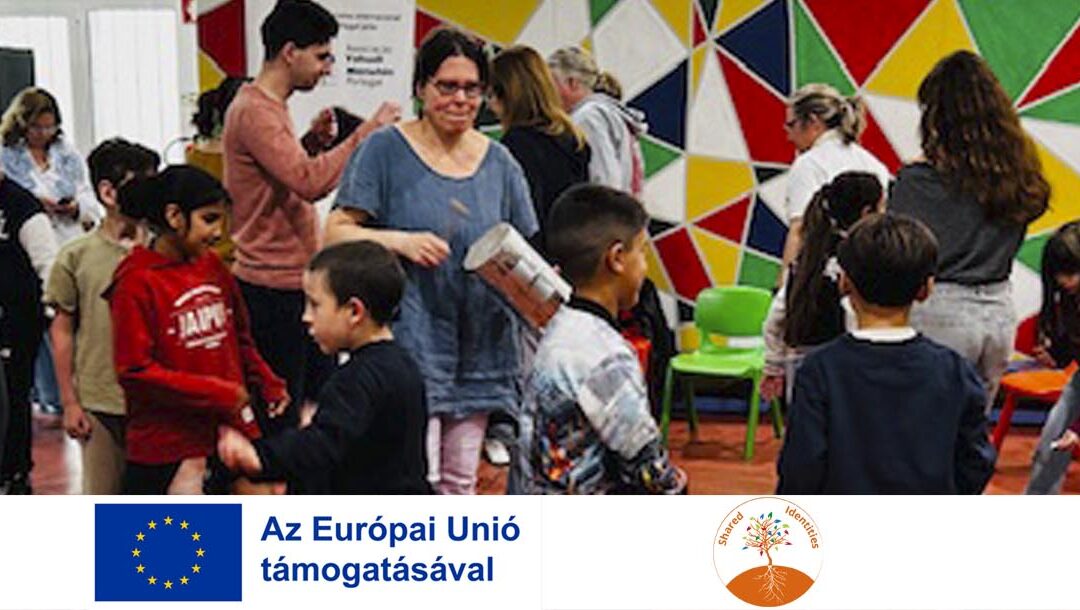
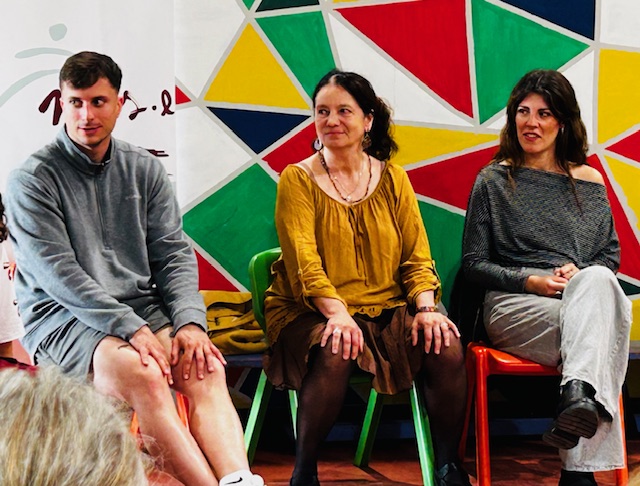
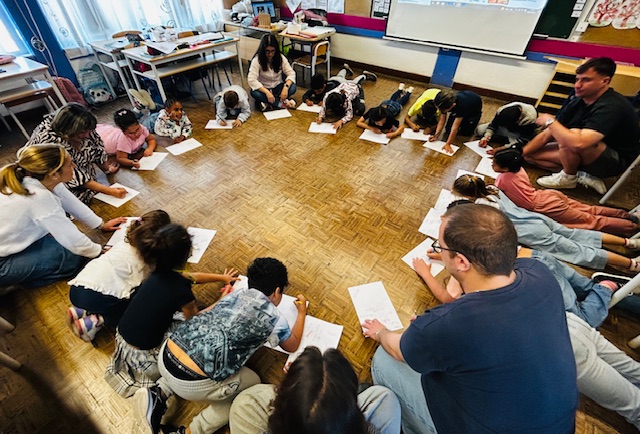
On April 24, the Escola Cruz da Picada in Évora hosted another day of art workshops as part of the European project “Shared Identities – Identidades Compartidas,” focusing on direct classroom work with the school’s students. On this occasion, the program placed special emphasis on the contribution of the project coordinator, MUS-E Hungría, which explored shared identity through traditional music and physical expression with Judit Hochrein, Gabriella Kenderesi, and Ákos Gubinecz.
This approach is directly linked to the project’s purpose, which addresses the construction of identity through roots, traditions, the environment, and ties to the community. In this case, traditional music became a means of engaging with cultural memory and forms of expression that are collectively transmitted, while physical expression allowed that work to be translated into movement, into the relationship with the group, and into each person’s presence within the shared space of the classroom.
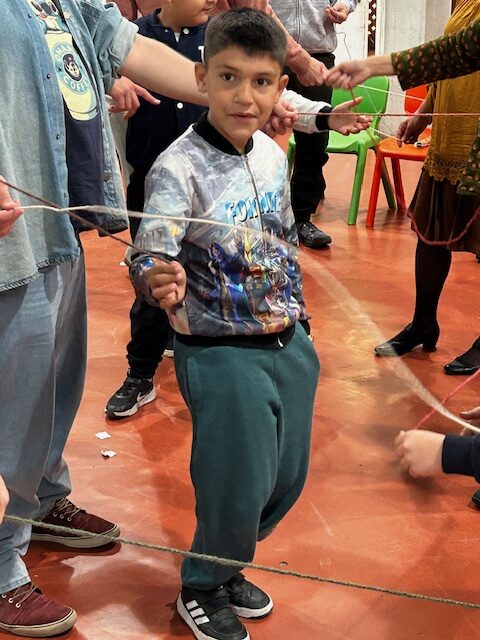
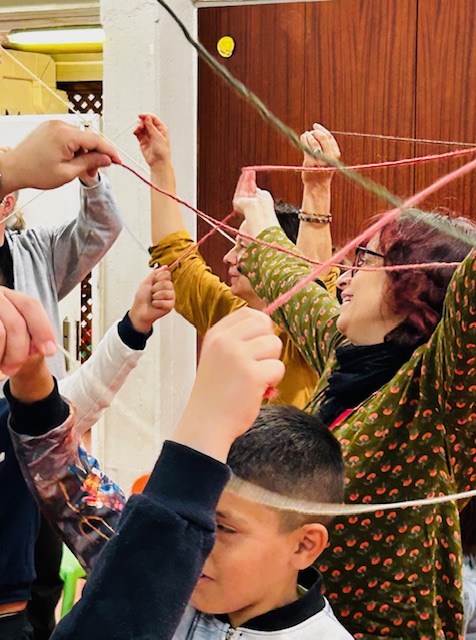
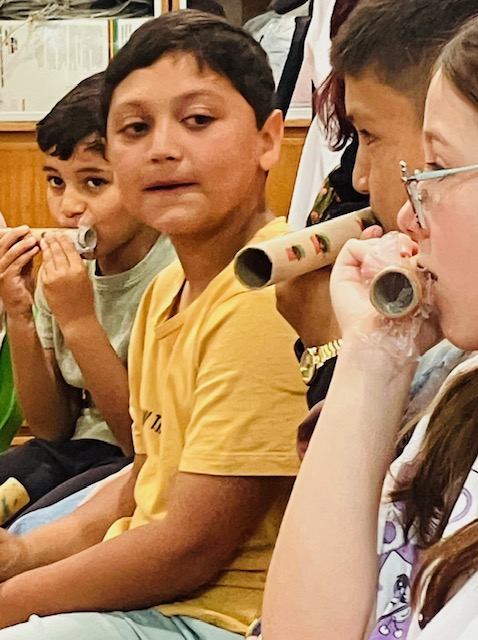
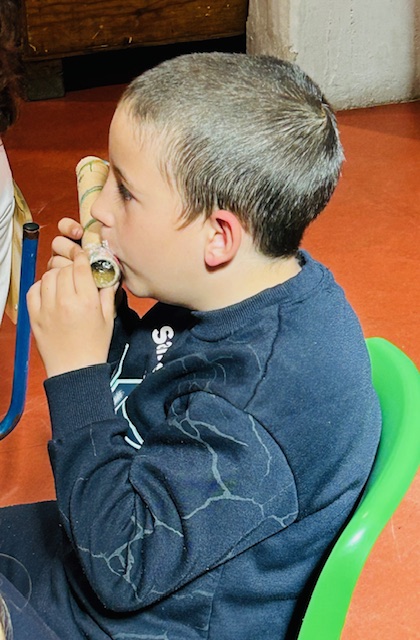
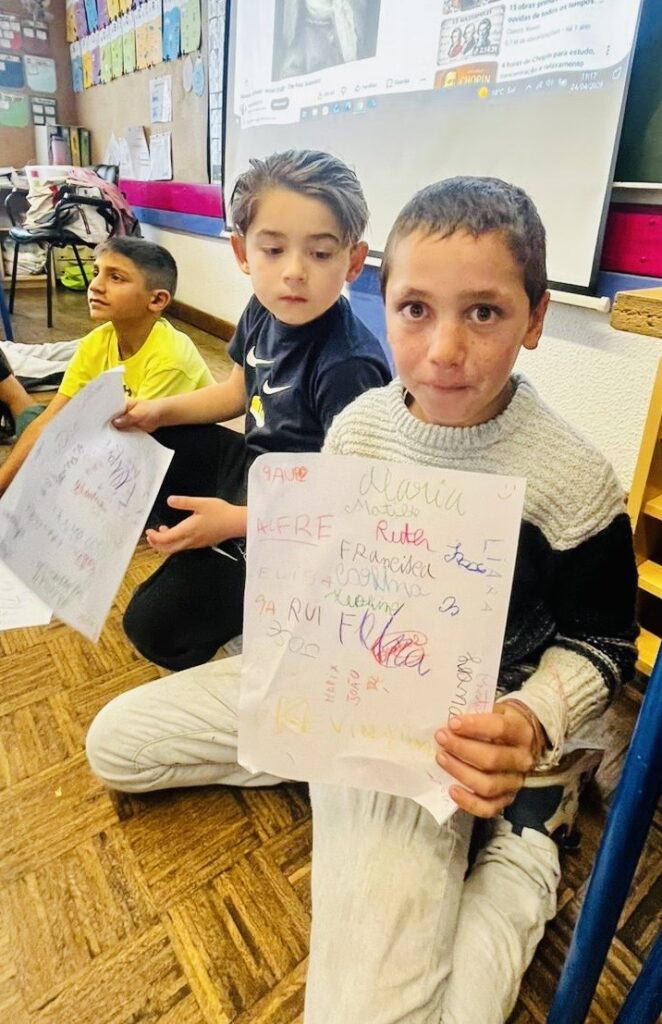
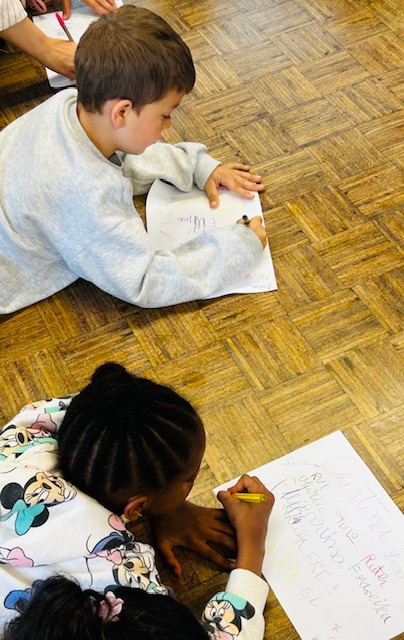
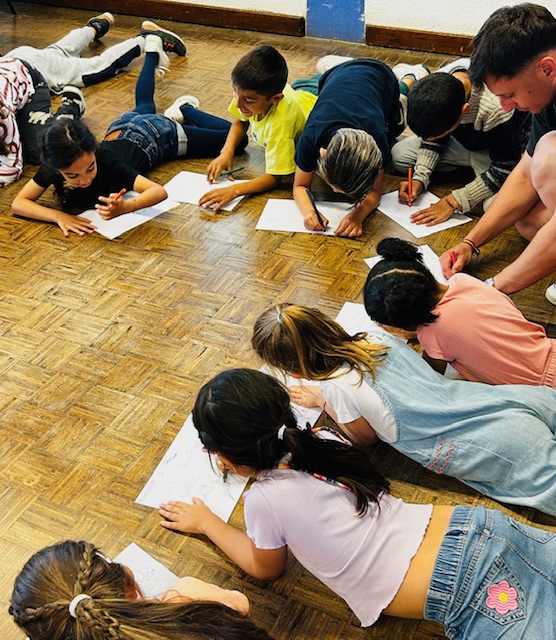
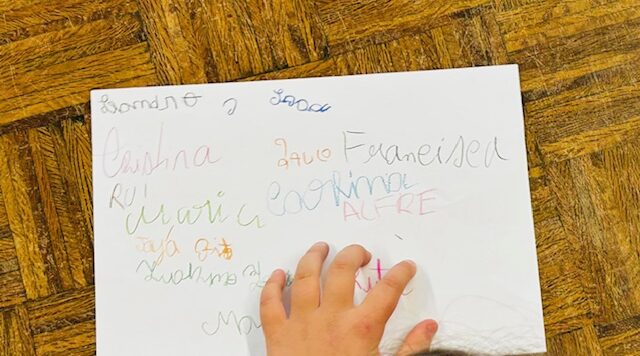
In addition to this initiative, the Yehudi Menuhin Foundation Spain also organized another artistic workshop with the school’s students. Through the artes plásticas y la expresión corporal, José Manuel Barbero Alende It also focused on shared identity, thus joining the range of activities organized during this event at the Portuguese center.
The session was part of the meeting held in Évora between teams from Hungary, Germany, Portugal, and Spain, and it provided an opportunity to continue integrating the objectives of Shared Identities into schoolwork: promoting inclusion, recognizing diversity, and building shared spaces through the arts. At the Escola Cruz da Picada, this approach was once again put into practice through classroom activities in which creative work served as a means to connect with one another, listen to one another, and build a sense of community.
The Shared Identities program is co-funded by the Programa Erasmus + de la Unión Europea.
The European Commission’s support for the production of this publication does not imply endorsement of its contents, for which the authors are solely responsible. Therefore, the Commission is not responsible for any use that may be made of the information contained herein.
Recent Comments