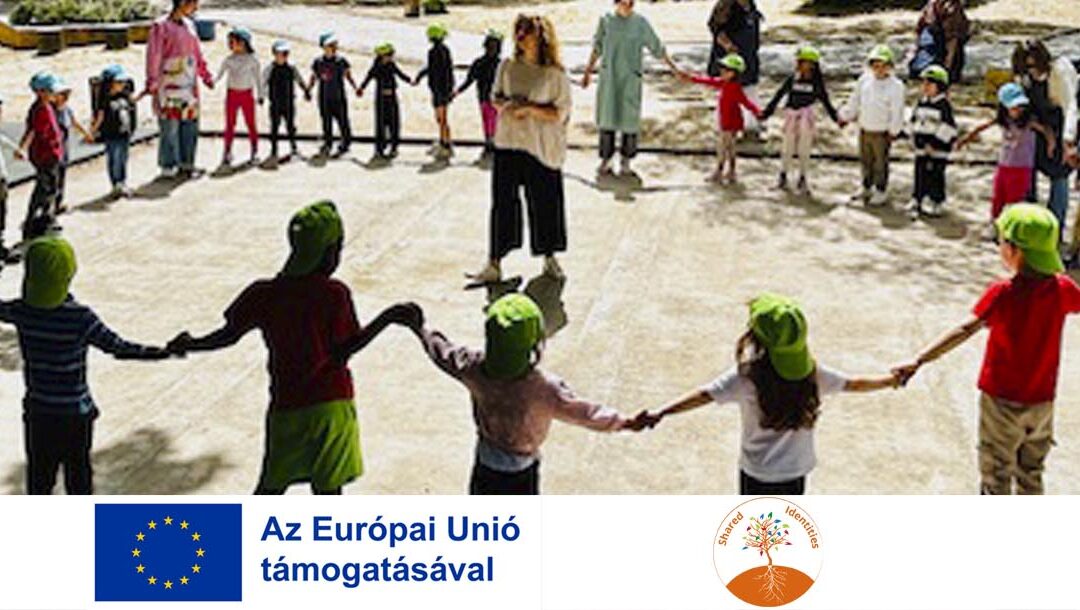
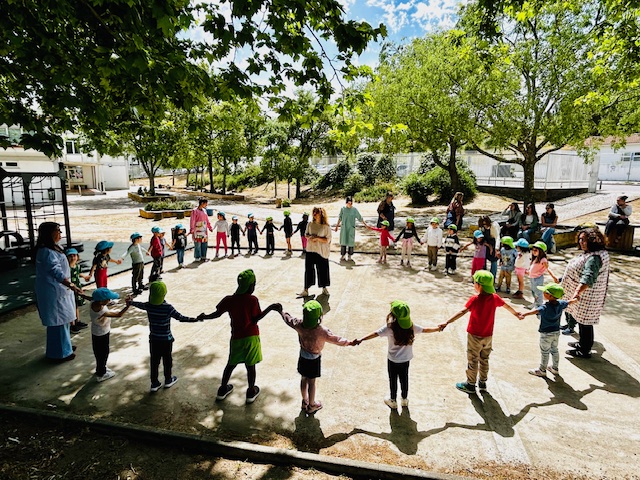
On April 23, the Escola Cruz da Picada in Évora (Portugal) welcomed participants from the four countries involved in the European project “Shared Identities – Identidades Compartidas” with a reception hosted by the children from the school’s preschool and a tour of its facilities. This initial event provided an opportunity to gain firsthand insight into the educational reality of the Portuguese school and to situate the work of the gathering within the school’s daily life—one of the settings where the European project carries out its artistic and pedagogical initiatives.
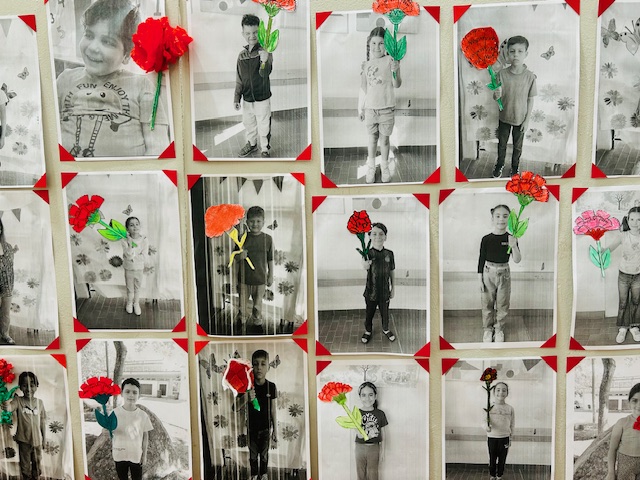
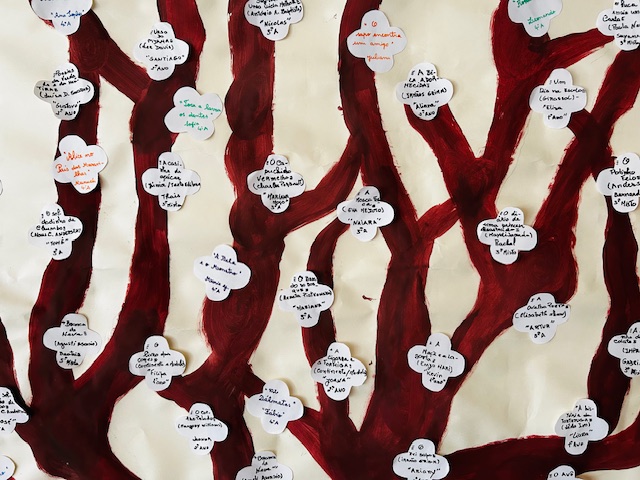
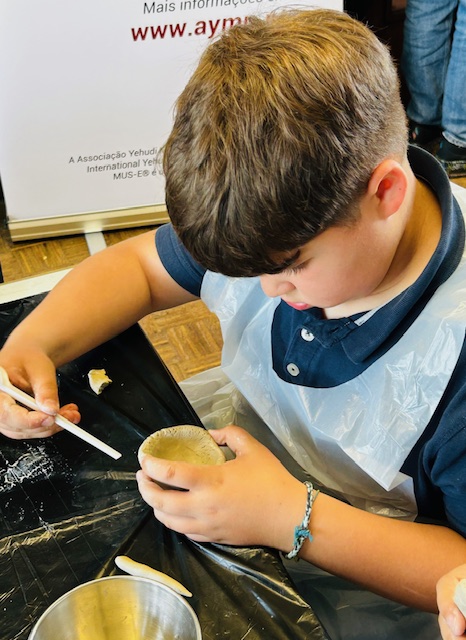
On April 24, the event continued at the Escola Cruz da Picada itself with new “Shared Identities” art workshops for the school’s students. On this day, [name] played a prominent role MUS-E Deutschland e.V., who explored shared identity through two different and complementary art forms: ceramics, with Babsi Bertsch, and percussion, with Oliver Dippel.
The German team’s contribution was particularly aligned with the project’s mission, which seeks to create spaces for inclusion and diversity in schools through the arts. In the case of ceramics, the hands-on work fostered creative processes centered on form, individual expression, and the construction of something shared through individual contributions. In percussion, rhythm and shared listening helped strengthen the relationship within the group, attentiveness to others, and participation in a collective experience.
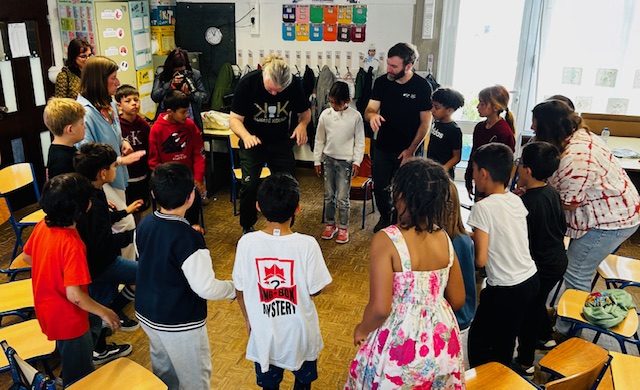
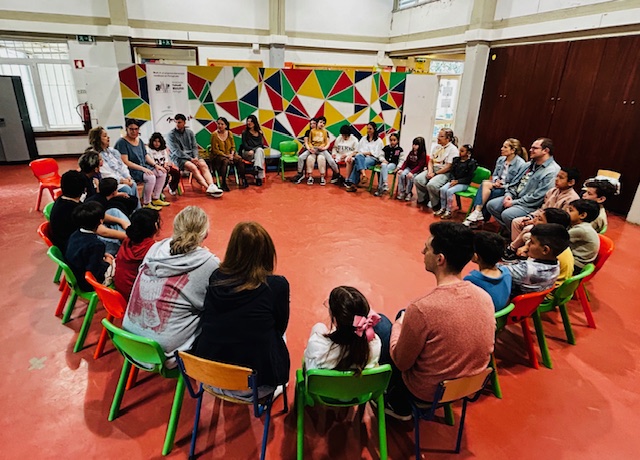
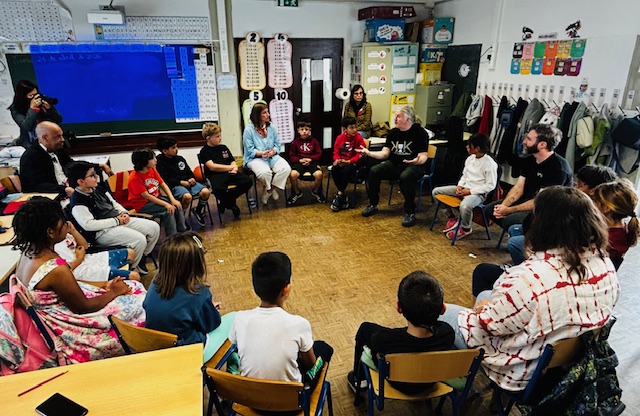
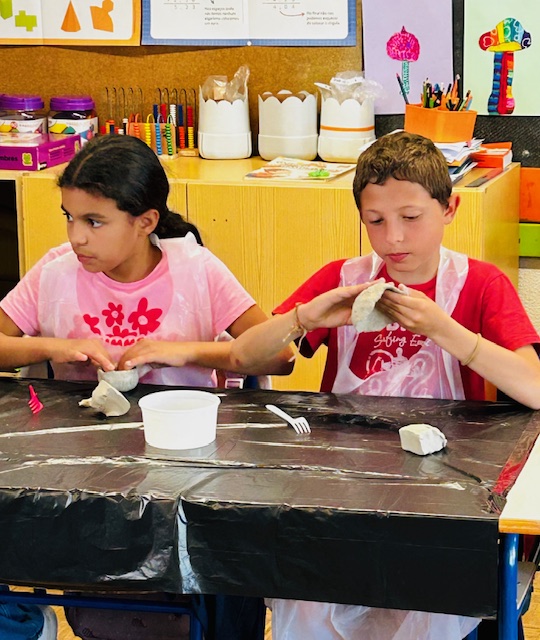
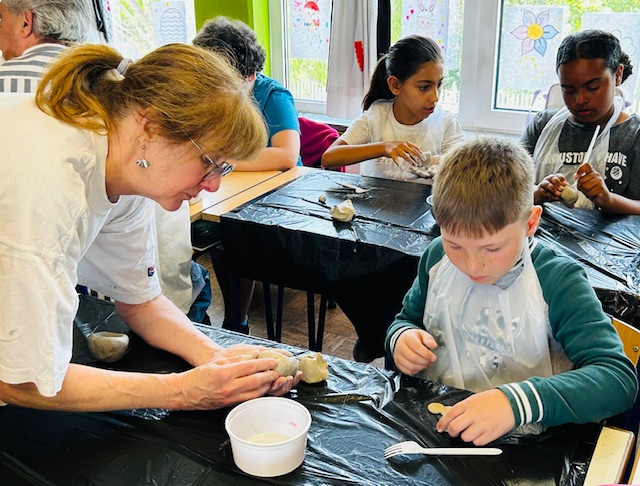
Thus, following the initial welcome at the center the previous day, the second day provided an opportunity to delve deeper into one of the central themes of Shared Identities, promoted by MUS-E Hungría next to MUS-E Deutschland e.V., Associação Yehudi Menuhin Portugal and the Fundación Yehudi Menuhin España: To build a shared identity among schools in different countries through artistic work in the classroom.
The Shared Identities program is co-funded by the Programa Erasmus + de la Unión Europea.
The European Commission’s support for the production of this publication does not imply endorsement of its contents, for which the authors are solely responsible. Therefore, the Commission is not responsible for any use that may be made of the information contained herein.
Recent Comments