The European project “Shared Identities – Identidades Compartidas,” coordinated by MUS-E Hungría and developed with MUS-E Alemania, the Associação Yehudi Menuhin Portugal and the Fundación Yehudi Menuhin España, it brings together schools from the four countries to explore identity, inclusion, and diversity through the arts. Among its objectives are recognizing cultural roots, strengthening a sense of belonging, and building connections between schools and their communities.
At CEIP Vicálvaro, these goals have been incorporated into the classrooms through dance, movement, and physical expression activities tailored to different educational levels. Dance artist AlbaPalacios explains the process carried out during the school year as follows:
This school year, CEIP Vicálvaro is participating in the European project “Shared Identities,” an initiative it shares with schools in Hungary, Germany, and Portugal that encourages students to reflect on their roots, culture, and identity from an artistic, participatory, and intercultural perspective.
Within this framework, the MUS-E program has developed various activities tailored to each educational stage, using dance, physical expression, and movement as tools to discover who we are and how we relate to the people and spaces we inhabit.
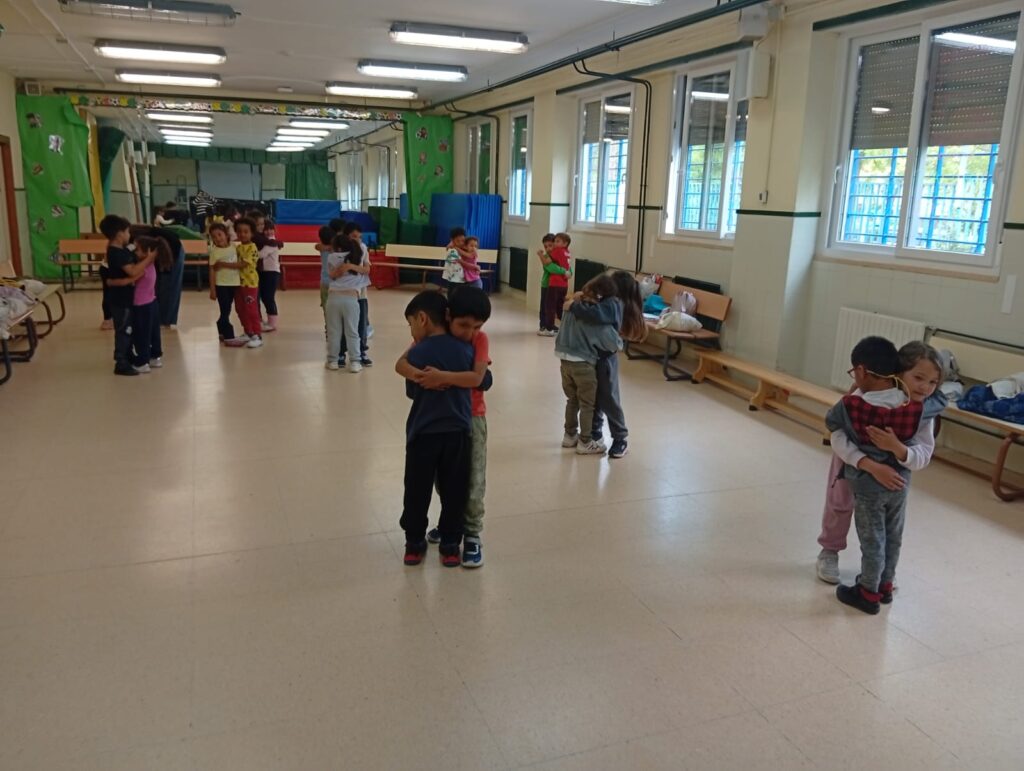
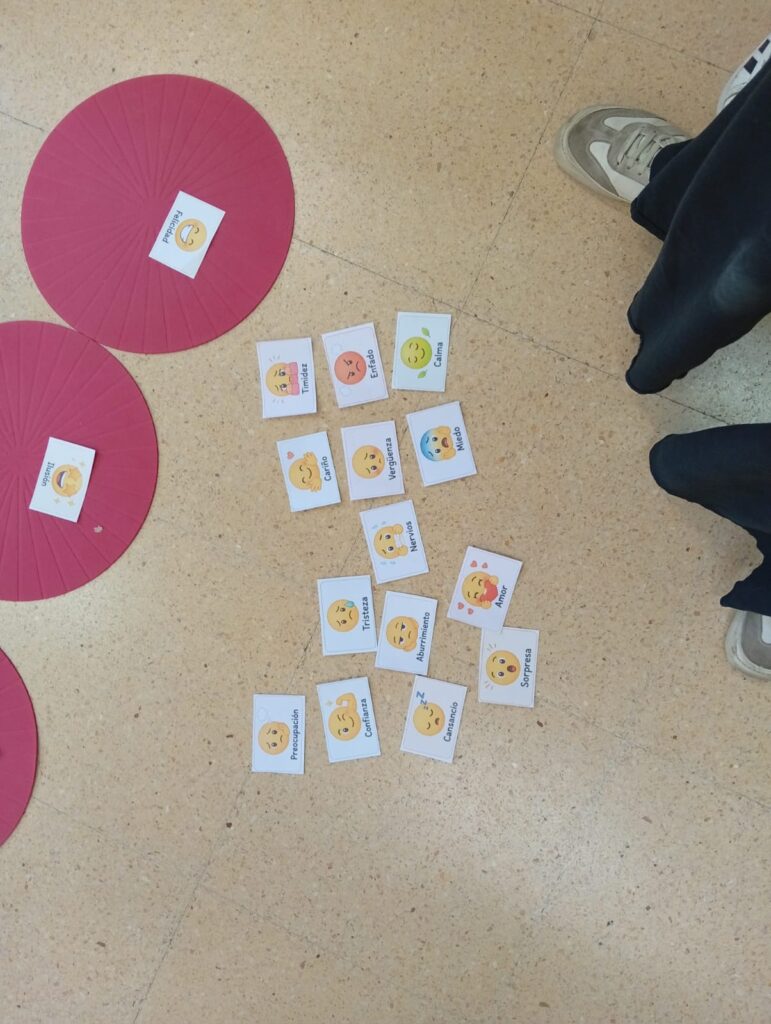
In Early Childhood Education, the focus has been on recognizing personal identity through emotions. The students have explored how they feel in different areas of the school, how their relationships with their classmates influence their well-being, and how emotions play a role in shaping their identity from the earliest years of life.
With the 4th-grade students, the project has broadened their perspective on collective identity, focusing on cultural roots and the richness of diversity. By learning traditional dances from different parts of the world, the children have gained new ways of understanding culture and have discovered how traditions help build a sense of belonging within communities.
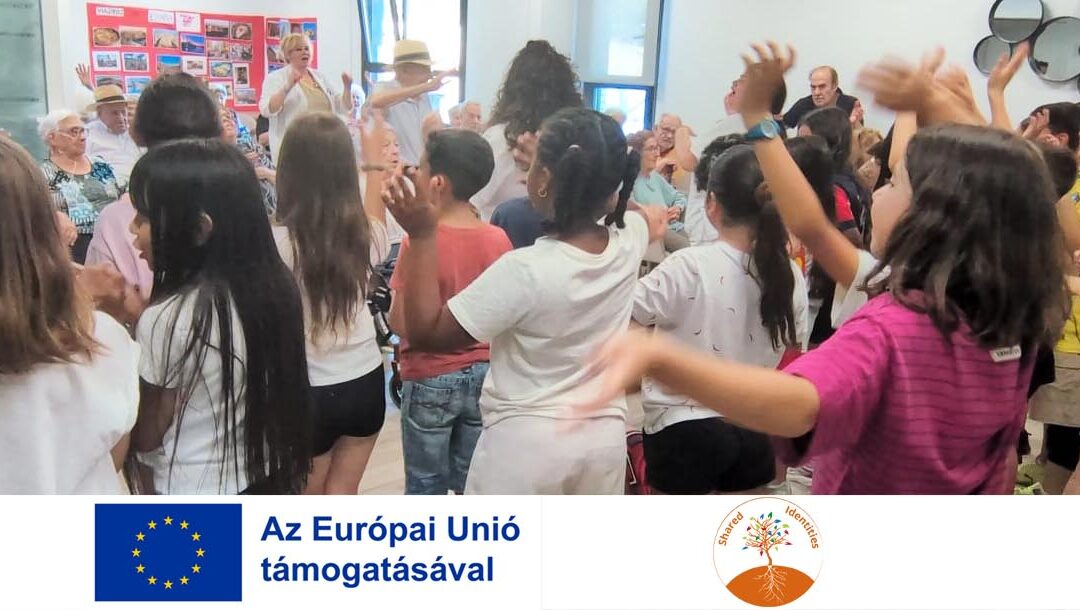
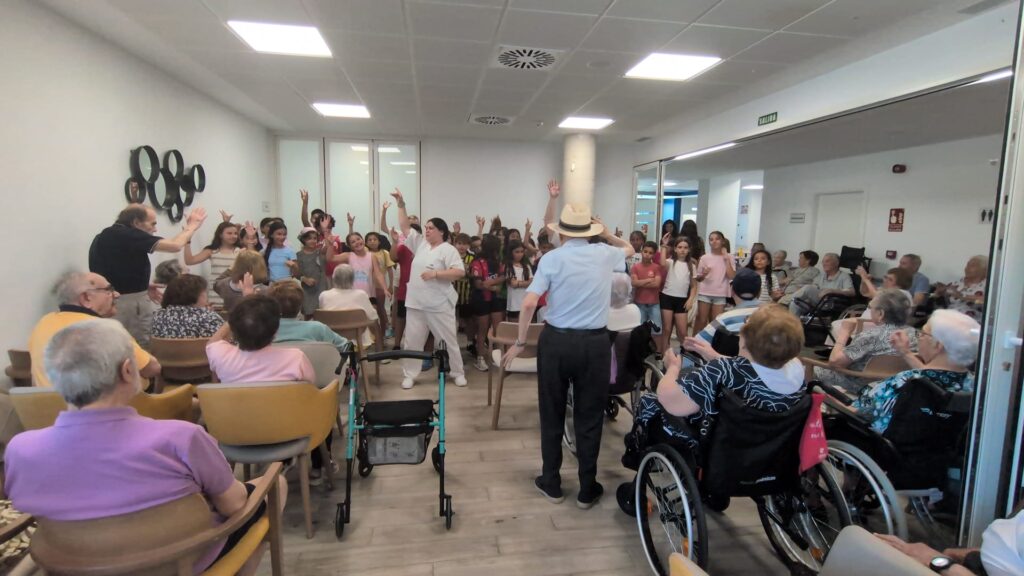
The project culminated in an experience that extended beyond the classroom. In addition to sharing the dances with other students at the school, the students visited a senior center in the neighborhood, where they performed a selection of the pieces they had rehearsed. The activity led to an enriching intergenerational gathering in which the residents not only enjoyed the performances but also participated by dancing and sharing memories and experiences related to the traditions presented. It was a moment of cultural and human exchange that highlighted how art can build bridges between generations and strengthen ties with the community.
Through this journey, the MUS-E program has once again demonstrated that dance and physical expression are much more than just a form of movement: they are a language that allows us to better understand ourselves, value diversity, strengthen our sense of belonging, and build a shared identity based on respect, coexistence, and dialogue among cultures.
The European Commission’s support for the production of this publication does not imply endorsement of its contents, for which the authors are solely responsible. Therefore, the Commission is not responsible for any use that may be made of the information contained herein.
Recent Comments