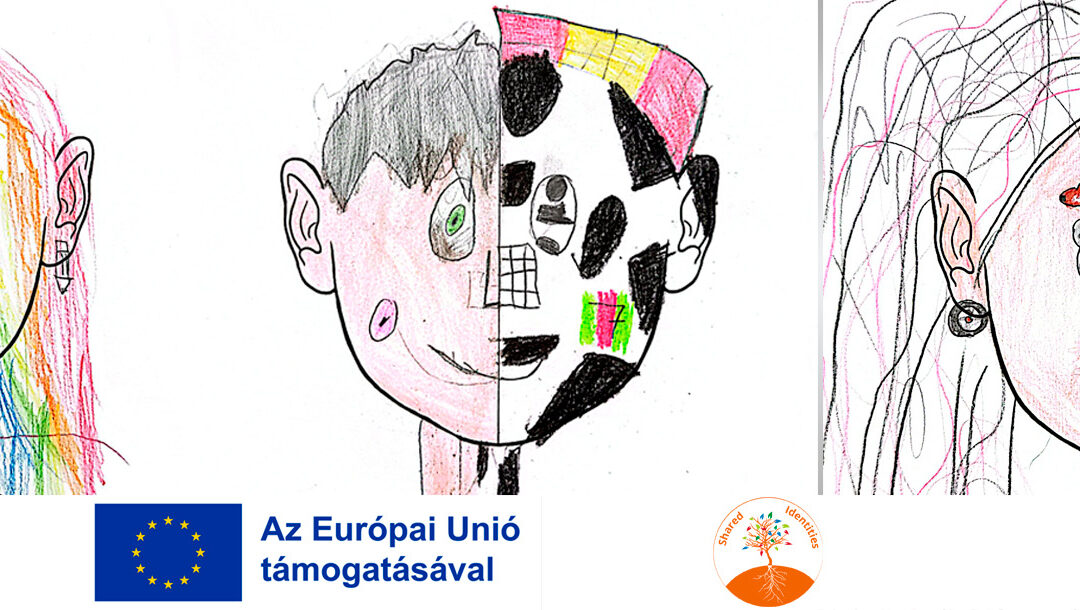
The European project Shared Identities continues to develop classroom activities that use the arts to explore personal and collective identity, recognise diversity and discover what we share with others. Coordinated by MUS-E Hungary, the project also brings together MUS-E Germany, Associação Yehudi Menuhin Portugal and Fundación Yehudi Menuhin España, alongside schools in this four countries.
Within this framework, Year 4 pupils at CEIP Vicálvaro in Madrid have been exploring identity during their Arts Education sessions.
The children created self-portraits combining realistic representations of themselves with imaginative elements inspired by their interests, tastes and personal preferences. They represented one half of their face realistically, while creatively transforming some of their facial features on the other half. For example, some children turned an eye into a pizza or transformed their hair into a colourful rainbow.
The activity encouraged them to express their individuality through art and to reflect on what makes each person unique.
Once the portraits were completed, the children presented their work to their classmates, describing their physical appearance, personal characteristics and favourite things. Their self-portraits therefore became a starting point for communicating who they are and sharing different aspects of their personalities with others.
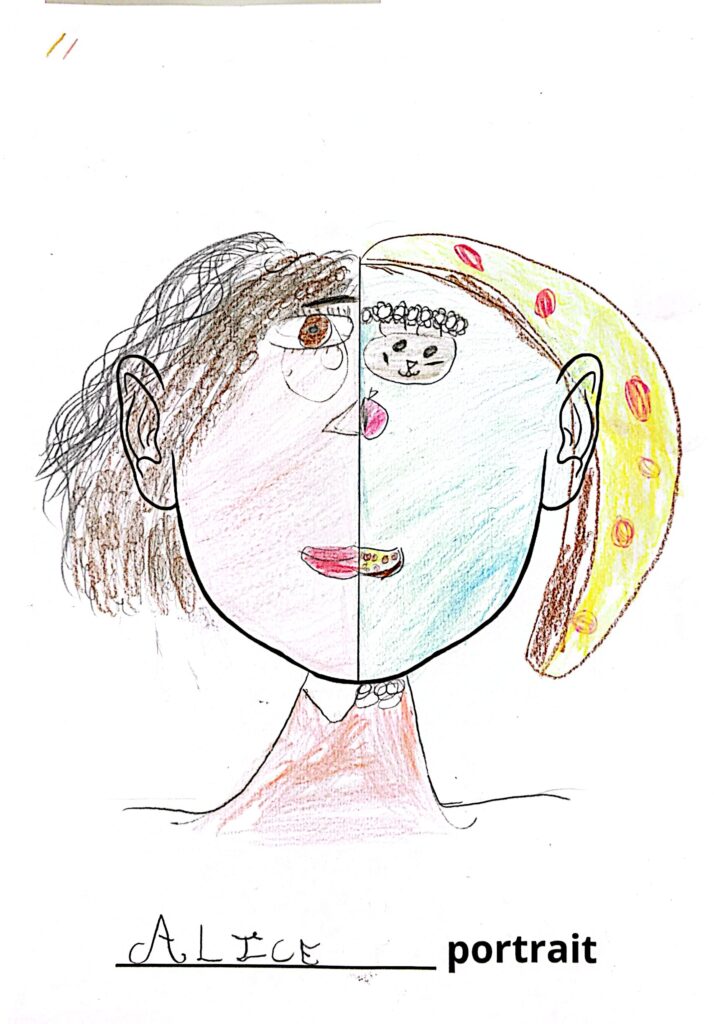
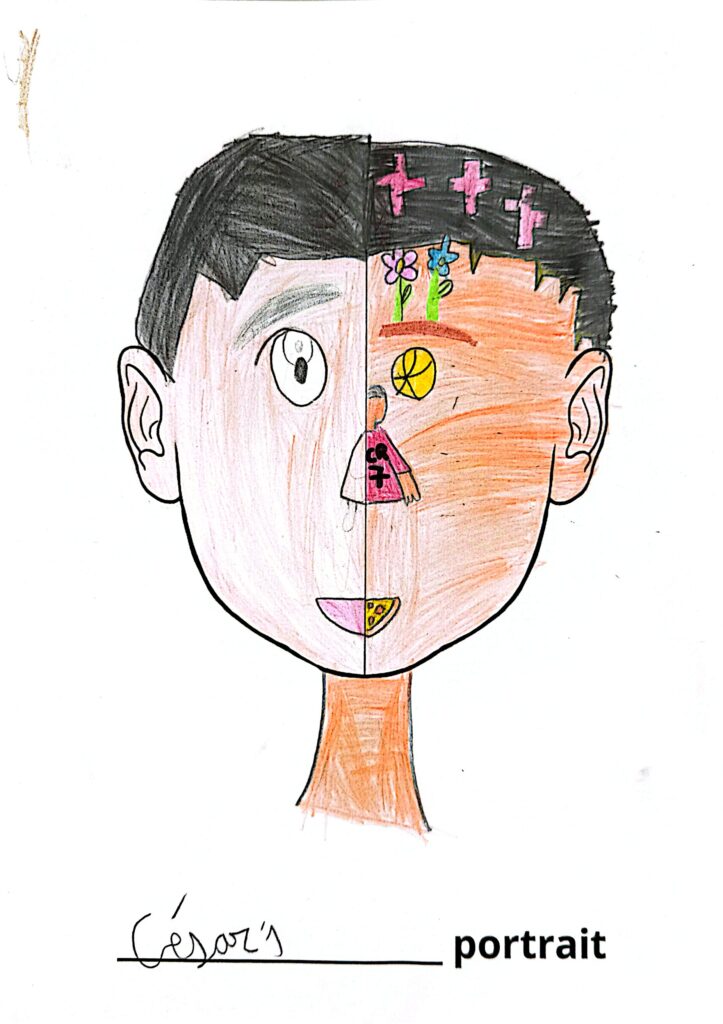
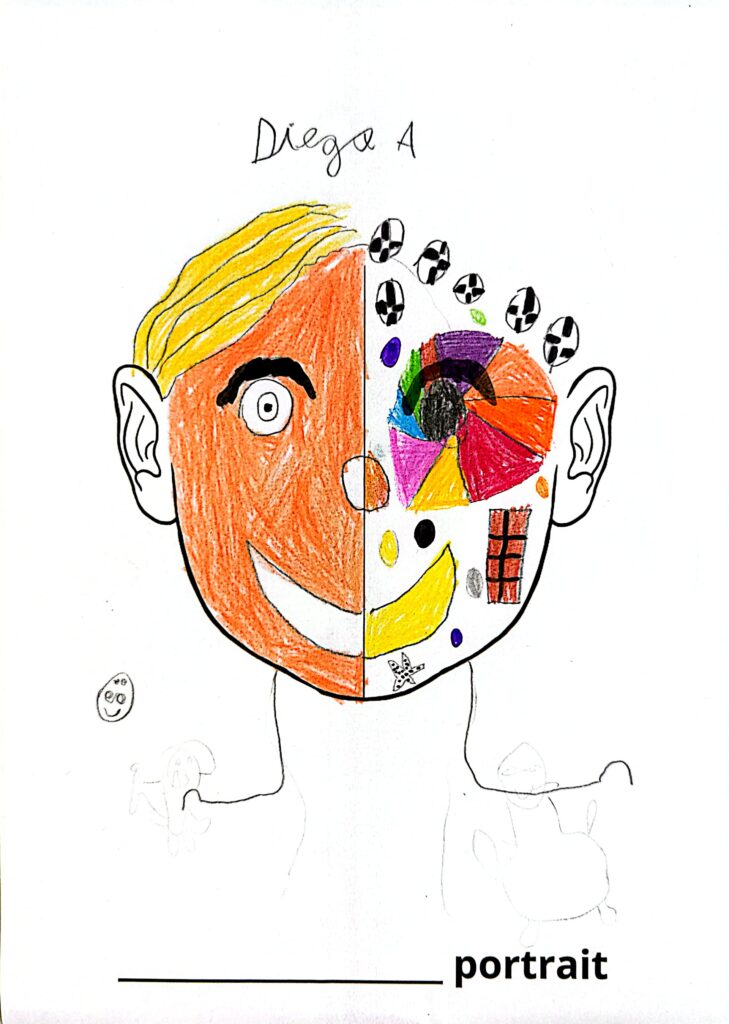
These are just some of the activities carried out with Year 4 pupils as part of Shared Identities. Through these sessions, the project seeks to foster self-awareness, creativity and self-expression, while encouraging children to recognise and value both their individual differences and what they have in common with those around them.
In this way, art becomes a tool for addressing one of the ideas at the heart of Shared Identities: understanding identity not only through what makes each person different, but also through the relationships and shared experiences that help to build a group.
Shared Identities programme is co-funded by the Erasmus+ Programme of the European Union.
The European Commission’s support for the production of this publication does not constitute an endorsement of its contents, which reflect the views only of the authors. The Commission cannot therefore be held responsible for any use which may be made of the information contained herein.
Recent Comments